Supreme Court Rulings Send Shockwaves Through Haitian Community as Families Fear Deportation and Uncertain Future
By Haitian Globe Staff
For thousands of Haitian families across the United States, the latest Supreme Court rulings on immigration landed like a devastating warning: protections they have relied on for years may soon disappear, and the path to safety for future asylum seekers may become even harder.
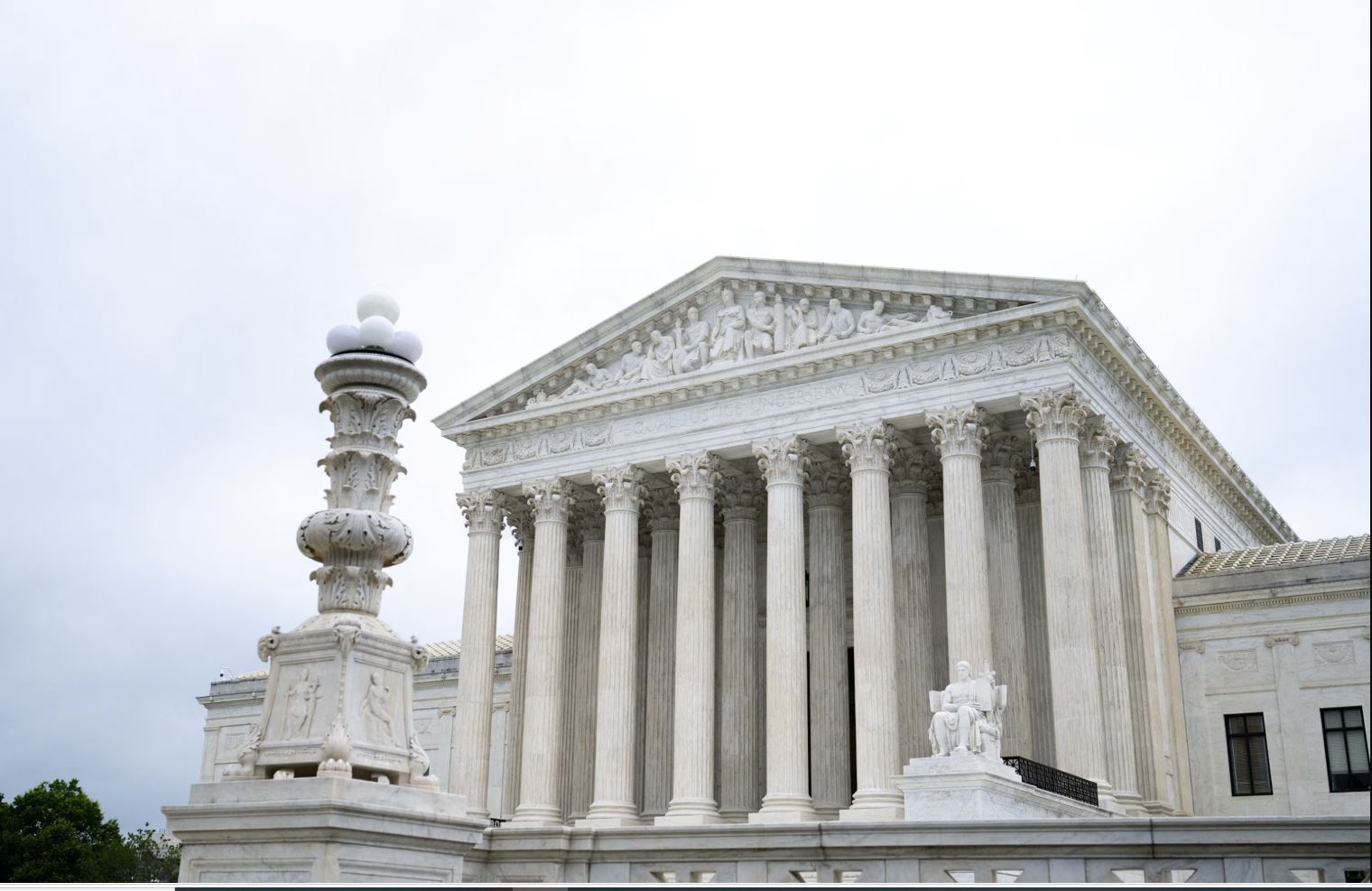
On June 25, 2026, the U.S. Supreme Court handed President Donald Trump two major victories in immigration cases. In one decision, the justices allowed the administration to move forward with ending Temporary Protected Status, commonly known as TPS, for Haitians and Syrians. In another, the Court cleared the way for the government to restart a controversial asylum policy known as “metering,” which allows officials to turn away asylum seekers at ports of entry when they claim processing capacity is limited.
For the Haitian community, the rulings are more than legal decisions. They represent fear, uncertainty, and what many are calling a major shock for families who have built lives, raised children, worked, paid taxes, and contributed to communities across Florida, Massachusetts, New York, Ohio, and beyond.
According to federal estimates, roughly 352,959 Haitian TPS holders could be directly affected by the decision. TPS has allowed many Haitians to live and work legally in the United States because conditions in Haiti were deemed too dangerous for safe return. Without those protections, many could lose work authorization and face the threat of deportation.
The Supreme Court’s decision also comes at a time when Haiti remains in deep crisis. The U.S. State Department continues to warn Americans not to travel to Haiti because of crime, kidnapping, unrest, and limited access to basic services. International agencies have reported record displacement inside Haiti, with more than one million people forced from their homes because of violence and instability.
Still, the Court ruled that the administration has broad authority to end TPS protections and that federal courts have limited power to review certain TPS termination decisions.
For Haitian families, the legal language does little to calm the fear.
In churches, community centers, workplaces, legal clinics, and family group chats, many are now asking the same painful question: What happens next?
TPS Decision Raises Fear of Deportation and Family Separation
Community leaders and immigrant advocates warn that ending TPS could cause a humanitarian and economic crisis. Haitian TPS holders work in health care, elder care, hospitality, construction, transportation, education, small businesses, and other essential sectors. Many have U.S.-born children. Some have lived in the country for years, even decades.
The fear is not only about losing immigration status. Families are worried about losing jobs, homes, driver’s licenses, health insurance, and the ability to provide for their children. Some parents are reportedly preparing emergency custody plans in case they are detained or deported.
In states with large Haitian populations, including Florida, Massachusetts, New York, New Jersey, Georgia, and Ohio, the decision is already being felt as a direct threat to community stability.
Advocates argue that sending Haitians back under current conditions would be dangerous and inhumane. They point to gang violence, food insecurity, kidnappings, political instability, and the collapse of basic public services in Haiti.
Asylum Ruling Adds Another Layer of Concern
The second Supreme Court ruling adds another layer of concern. By allowing the government to revive the “metering” policy, the decision could make it harder for asylum seekers waiting at the U.S.-Mexico border to request protection. The policy was first used during a surge of Haitian arrivals at the San Ysidro border crossing in 2016 and later expanded across the southern border.
Under metering, asylum seekers can be forced to wait in Mexico before being allowed to approach U.S. officials. Human rights organizations have long warned that this leaves vulnerable migrants exposed to violence, exploitation, kidnapping, and unsafe living conditions.
For Haitians fleeing crisis, the ruling could mean that even the door to request asylum may be harder to reach.
Administration Defends Policy, Advocates Push Back
The Trump administration has defended its immigration policies by arguing that TPS was designed to be temporary and should not become a permanent pathway to legal status. Supporters of the rulings say the decisions restore executive authority over immigration enforcement and border management.
But immigrant advocates see the decisions differently. They argue that the rulings give the administration dangerous power over vulnerable communities and ignore the reality on the ground in Haiti.
For Haitian families, the shock is deeply personal.
Many TPS holders came to the United States after disasters, political unrest, and violence. They rebuilt their lives here. They bought homes, started businesses, joined churches, paid taxes, and raised children who know the United States as home. Now, they are being told that the protection they depended on may vanish.
Calls Grow for Congress to Act
The decision has also reignited calls for Congress to act. Lawmakers and advocates have pushed for legislation that would extend or redesignate TPS for Haitians and provide a more stable solution. But until federal action is taken, families remain in limbo.
Immigration attorneys are urging TPS holders to seek legal advice immediately, review whether they qualify for another form of relief, keep copies of immigration documents, and avoid relying on rumors or social media misinformation.
For the Haitian community, this moment is not just about policy. It is about dignity, safety, and whether the United States will recognize the impossible choice many families now face.
Return to a country the U.S. government itself warns is unsafe, or remain in the shadows of a system that may no longer protect them.
As the legal and political battle continues, one thing is clear: the Supreme Court’s rulings have shaken Haitian communities across the country and created a new wave of fear about the future.
For many, the question is no longer whether TPS is temporary.
The question is whether families who have spent years building lives in America will be given a chance to stay safe, stay together, and keep contributing to the country they now call home.
Comments (0)
Add a Comment
No comments yet